Dear Colleagues
We will be honored to meet you during the 11th International Scientific Symposium of Turkish Endodontic Society, which will be held between 18 - 21 May 2026 in Grand Mercure Hotel, Ankara - Türkiye.
Our aim is to meet with you, our esteemed colleagues, in our capital city Ankara to share the most up-to-date knowledge in the field of Endodontics and to collectively evaluate scientific developments together. In addition, on the morning of 18 May 2026, we will visit Anıtkabir as the great Turkish Endodontic family to pay our respects to the memory of our founder, Mustafa Kemal Atatürk.
We are sure that the symposium will be at a very high level scientifically, with the conferences of our esteemed professors and the presentations of our young colleagues. In addition, we have full faith that this symposium will strengthen our friendships, fulfill our longings, and enable our great ENDODONTICS FAMILY to become even stronger and look to the future with confidence.
As Executive board of the Society and the Organization Committee, we hope to see you at our congress.
Kind regards,
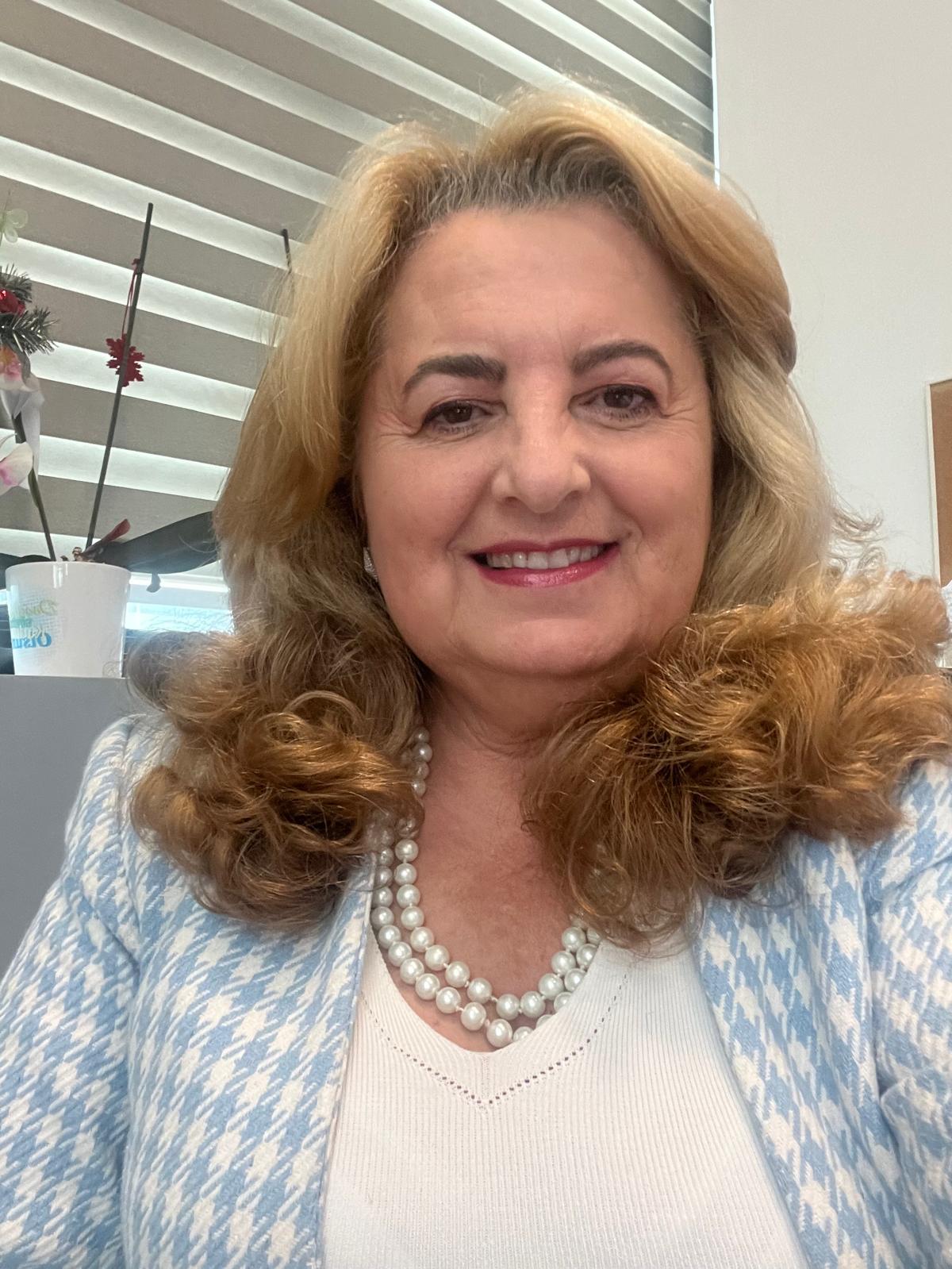
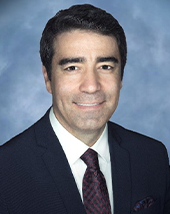
Prof. Dr. Hesna Sazak Öveçoğlu
Turkish Endodontic Society and Symposium President
Dear Colleagues and Esteemed Guests,
On behalf of the Turkish Endodontic Society, it is my great pleasure and honor to invite you to the 11th International Scientific Symposium of Turkish Endodontic Society, which will be held between 18 – 21 May 2026, in Ankara, Türkiye.
With the rapid advancements in endodontic science, the exchange of up-to-date scientific knowledge, discussion of clinical applications, and strengthening of academic collaborations have become more essential than ever. This symposium aims to provide a high-quality scientific platform where leading academicians and clinicians will share their expertise, discuss current evidence-based approaches, innovative treatment strategies, and clinical experiences. Our scientific program will cover a wide range of topics, including contemporary endodontic concepts, biomaterials, technological innovations, clinical applications, and future perspectives, offering valuable opportunities for professional development and scientific interaction.
In addition to its strong scientific content, we believe that this symposium will further enhance professional solidarity and collaboration among colleagues. We would be truly honored to welcome you to Ankara and sincerely hope for your valuable participation, which will greatly contribute to the success of our meeting.
We look forward to meeting you at this distinguished scientific event.
With kind regards,
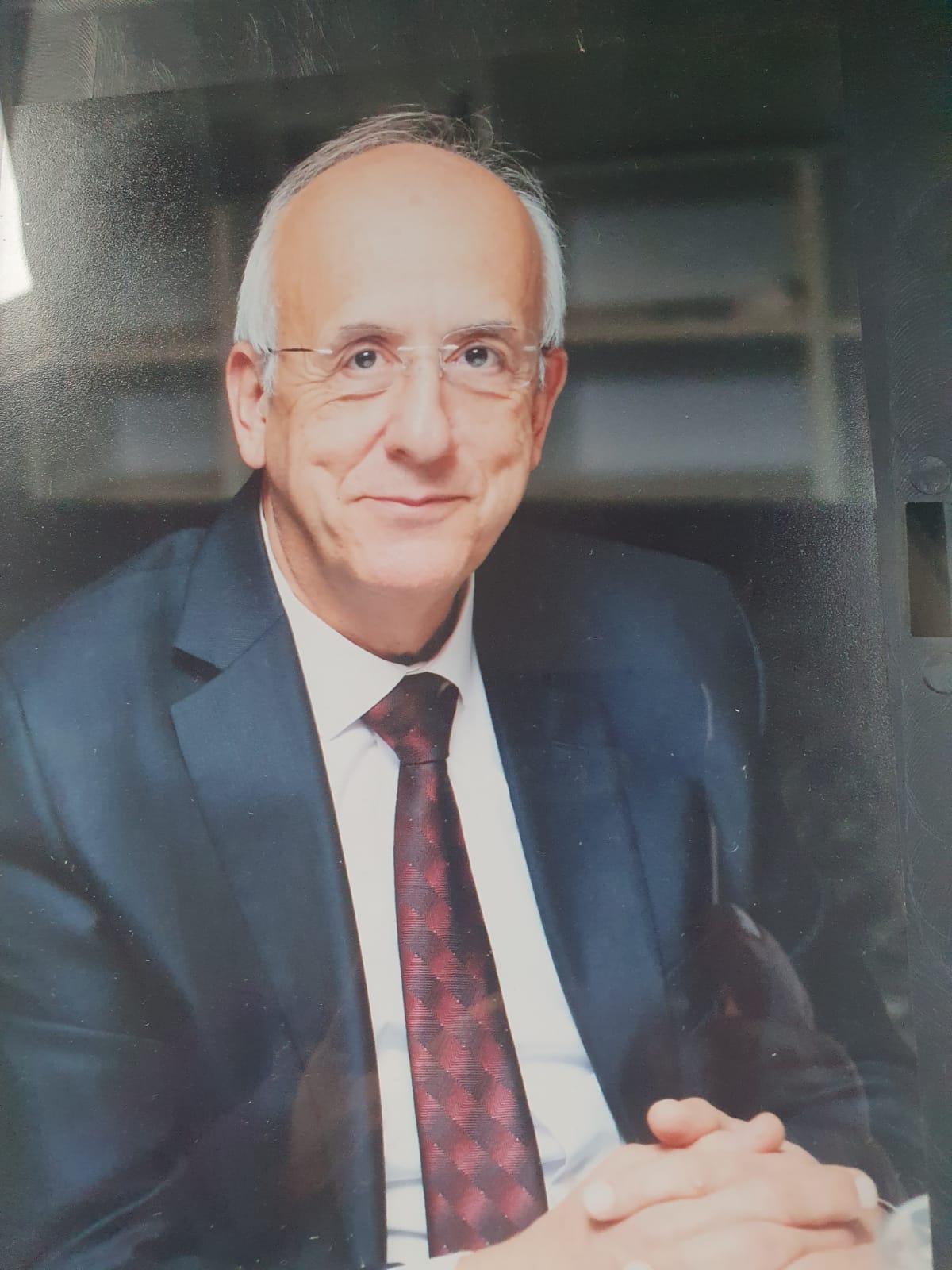
Prof. Dr. Tayfun Alaçam
Symposium President
    Dental root resorptions represent some of the most challenging pathological conditions in clinical dentistry, and a noticeable increase in their incidence has been reported in recent years. Orthodontic tooth movement and dental trauma are widely recognized as the principal predisposing factors responsible for the damage and stimulation phases of the resorptive process. Elimination of the etiological factors, accurate and early diagnosis, critical evaluation of appropriate treatment options, and the development of an individualized treatment plan are essential components for the successful management of dental root resorption cases. In this keynote lecture, the diagnostic tools, current classification systems, and evidence-based treatment strategies for dental root resorptions, as recommended by major international guidelines will be comprehensively reviewed and discussed, supported by representative clinical cases and long-term follow-up outcomes.
Prof. Özgür İlke Atasoy Ulusoy graduated from Gazi University Faculty of Dentistry in 2001. She received his PhD degree in Restorative Dentistry and Endodontics from the same institution in 2007. She was promoted to Associate Professor in 2012 and to Professor in 2018. She is currently a faculty member at the Department of Endodontics, Faculty of Dentistry, Gazi University, where she continues her educational, clinical, and research activities. She is the author of two book chapters and numerous scientific articles published in national and international peer-reviewed journals, and has participated in many scientific meetings as an invited speaker. In 2025, Prof. Dr. Ulusoy was among the authors of the position statement entitled “Management of Internal Root Resorption: Suggested Clinical Protocol”, published as part of the educational activities of the International Federation of Endodontic Associations (IFEA). She is a member of the Turkish Dental Association, European Society of Endodontology, Turkish Endodontic Society, and the Asia Pacific Endodontic Confederation. She served as Vice Dean for Education at Gazi University Faculty of Dentistry between 2020 and 2023, and as Secretary and member of the Education Committee of the Asia Pacific Endodontic Confederation from 2019 to 2021.
   
Choosing a NiTi file based on brand alone is no longer enough. As file systems multiply and marketing claims become harder to evaluate, clinicians need a more solid basis for decision-making — one grounded in understanding what a file is actually made of and how it behaves inside a canal.
This lecture proposes a way of thinking about instruments — translating material science into everyday clinical decisions. We will start with NiTi alloy evolution: from conventional wire to CM Wire and thermally treated alloys such as Blue and Gold technologies, looking at how each treatment affects flexibility, phase transformation, and cyclic fatigue resistance. These are not abstract properties — they determine whether a file survives a curved canal or doesn't.
Design matters too. The geometric features of a file have direct consequences on how it cuts, how it handles debris, and how safely it works under clinical conditions.
The second part of the lecture focuses on the anatomical factors that raise fracture risk. Canal curvature and calcification remain the most challenging scenarios in everyday endodontic practice. Recognizing how metallurgy and design interact with these conditions is what allows for genuinely case-specific file selection — rather than habit or routine. Knowing your instrument is knowing your limits. And that is where better clinical outcomes begin.
Specialist in Endodontics with extensive academic, research, and clinical experience. International lecturer and opinion leader in the field of endodontics. Author of more than 80 peer-reviewed scientific publications and contributor to textbook chapters. Combines university leadership, research activity, and exclusive private clinical practice in endodontics.
Education:
• PhD in Dentistry – 2007
• Master’s Degree in Endodontics – 2001. Universitat Internacional de Catalunya
• DDS (Doctor of Dental Surgery) – 1998. Universitat de Barcelona
Academic Appointment:
• Head of the Department of Endodontics (since 2017). Universitat Internacional de Catalunya
Scientific Contributions:
• Author of 80+ peer-reviewed articles in international scientific journals focused on endodontics
• Contributor to chapters in specialized endodontic textbooks
Professional Affiliations:
• Active Member, Spanish Association of Endodontics (AEDE)
Clinical & Educational Activity:
• International speaker delivering lectures and advanced courses worldwide
• Private practice limited exclusively to Endodontics in Barcelona, Spain
   
Caries or traumatic injuries teeth would cause reversible or irreversible injuries within the pulps of permanent mature or immature teeth. In teeth with reversible pulpitis, conventional endodontic treatment requires indirect-direct pulp capping, partial coroner or total coroner vital amputation treatment in order to ensure pulp vitality. These treatment modalities provide continuation of apexogenesis, in other words, root development in vital teeth with open apices. However, the high success rate of vital pulp treatment as an alternative to root canal treatment in teeth with irreversible pulpitis has changed the diagnostic classification of pulpitis.
Since there is no apical constriction in non-vital teeth with open apices, a hermetic root canal filling is not possible during endodontic treatment. In such cases, induction of calcific barrier formation at the apex by using calcium hydroxide and completion of the root canal treatment with the general apexification is the treatment of choice. In recent years, as an alternative to this conventional method, apexification is provided by applying MTA which is a biocompatible barrier to the apical third of the root. This method eliminates the long calcium hydroxide use and the risk of coronal microleakage and fracture because of the temporary restorations.
Since 2004, especially in teeth with non-vital pulps, open apices and periapical lesions, revascularization treatment is suggested as an alternative to apexification treatment with calcium hydroxide and MTA in various case reports. This treatment is advocated as a biologically based alternative approach that provides apexification of the teeth. In recent years, some reports state the successful outcomes of revascularization treatment in mature teeth with periapical lesions, even presenting the presence of pulpal vitality following the treatment.
In this presentation, I would like to share my experiences and knowledge about the vital pulp treatments in vital teeth with reversible-irreversible pulpitis and with completed-incompleted root development, and also, the clinical and radiological prognosis of apexification treatment with calcium hydroxide, MTA and revascularization in non-vital teeth with open apices and periapical lesions under the light of my papers that are published in distinguished international journals.
I was born in 1955 in Şebinkarahisar. I completed my high school education at İstanbul Kabataş Erkek Lisesi between 1969 and 1972. Between 1972 and 1974, I studied at the Faculty of Chemistry, University of Cologne, in Germany. I enrolled in the Faculty of Dentistry at Ege University in 1974 and graduated in 1980. In May 1980, I was appointed as a Research Assistant in the Department of Endodontics and Restorative Dentistry at the Faculty of Dentistry, Ege University. In 1985, l finished my PhD thesis in Ege University, School of Dentistry with the thesis entitled “Evaluation of signs and relations of textural and chronological aging of teeth” in the same department. I served as a Professor in the Department of Endodontics from 1995 onward. I retired in March 2022. Between September 1998 and 1999, I worked as a visiting faculty member in the Department of Endodontics at Temple University School of Dentistry in Philadelphia, USA, where I was involved in both undergraduate and postgraduate education. My book entitled “Endodontide Tanı ve Tedaviler” first published in 2006, was released in its expanded 4th edition in 2023 for the dental community. I have published numerous articles in national and international journals.
    Regenerative endodontic treatments are biologically based procedures aimed at restoring the pulp–dentin complex by replacing damaged dentinal and root tissues with functional structures. Guided by tissue engineering principles, these approaches promote continued root development and an increase in dentin wall thickness. Within this framework, growth factors represent one of the key biological components, acting as signaling molecules that regulate cellular behavior. By stimulating cell proliferation and differentiation, chemotaxis, angiogenesis, and neural growth, growth factors play a pivotal role in orchestrating the regenerative response. The release of growth factors within the root canal system can be achieved through irrigation, medication, or various biological carrier systems, thereby playing an important role in regenerative procedures. This presentation will address the biological basis, sources, and mechanisms of action of growth factors in regenerative endodontics. Particular emphasis will be placed on their interactions with stem cells, evaluated in light of current scientific evidence. Furthermore, by integrating experimental data with clinical observations, the current status of growth factors in regenerative endodontic treatments and their potential future roles will be discussed. A thorough understanding of these biological signals is essential for the development of more predictable and effective regenerative treatment strategies.
Assoc. Prof. Dr. Sıla Nur Usta earned her DDS degree from Gazi University in 2017 and completed her specialization in Endodontics at Hacettepe University in 2021. She served as an Assistant Professor between 2022 and 2025 and is currently an Associate Professor in the Department of Endodontics at Gülhane Faculty of Dentistry, University of Health Sciences, Turkey. She is concurrently pursuing her PhD in the Department of Microbiology at the University of Granada, Spain. Her research interests include endodontic microbiology, inflammatory mechanisms in pulpal and periapical tissues, minimally invasive and regenerative endodontic approaches, and the integration of advanced technologies in endodontic education. Professor Usta has authored several scientific publications in national and international peer-reviewed journals and currently serves as an Assistant Editor of the Turkish Endodontic Journal.
    Fracture of endodontic instruments during root canal treatment represents a significant procedural complication that may negatively influence treatment prognosis by compromising effective canal cleaning and shaping. With the widespread clinical use of nickel–titanium rotary instruments, an increased incidence of instrument fracture has been reported. Successful management of fractured instruments depends on multiple factors, including canal anatomy, the intra canal location of the fractured segment, and the clinical techniques employed. The incorporation of advanced imaging and magnification technologies—such as the dental operating microscope, ultrasonic instrumentation, and cone-beam computed tomography—into endodontic practice has improved the assessment, localization, and controlled retrieval of fractured instruments. This presentation will evaluate the causes of instrument fracture, current retrieval techniques, and the factors influencing clinical success, based on contemporary literature and clinical experience.
Asst. Prof. Meltem Sümbüllü graduated from the Faculty of Dentistry at Gazi University, in 2012. She completed her specializations in Endodontics at Atatürk University, in 2017. In 2019, she was appointed as an Assistant Professor in the Department of Endodontics at the Faculty of Dentistry, Atatürk University. In 2023, she commenced her PhD program in the Department of Histology and Embryology at the Faculty of Medicine, Atatürk University, where she is currently continuing her doctoral program. She was awarded second place at the 2024 Turkish Endodontic Society “Young Endodontists Speak” Symposium for her presentation on fractured instrument removal techniques. She has authored numerous scientific publications indexed in national and international databases and serves as a reviewer for several national and international peer-reviewed journals. Her academic interests include bioceramic materials, regenerative endodontic therapies, endodontic microbiology, the pathobiology of periradicular diseases, and fractured instrument management.
    Endodontic radiology encompasses the radiographic methods used for the evaluation of the dental pulp and periapical tissues during root canal treatment. It plays an essential role in diagnosis, treatment planning, monitoring the treatment process, and follow-up of post-treatment healing.
The most commonly used method is periapical radiography. Through these radiographs, root number and anatomy, periapical lesions, resorptions, and root fractures can be assessed. During treatment, determination of the working length and evaluation of the length and quality of the root canal filling are also achieved through radiological examination.
This presentation aims to emphasize the importance of radiological methods in diagnosis and treatment planning in endodontic therapy. Periapical radiography and cone beam computed tomography (CBCT) will be discussed in terms of their indications and limitations based on the literature and clinical cases. The indications for CBCT and its evaluation processes will also be explained with representative case examples.
Prof. Dr. Erdoğan Fişekçioğlu, completed his undergraduate education at the Faculty of Dentistry, Marmara University, and received his PhD in Oral Diagnosis and Radiology at the same institution. He began his academic career as a research assistant at Marmara University.
Between 2006 and 2018, he served as a faculty member at Yeditepe University Faculty of Dentistry, and between 2018 and 2020 at Istanbul Okan University Faculty of Dentistry. He is currently continuing his academic activities as a founding faculty member in the Department of Oral and Maxillofacial Radiology at Istanbul Galata University Faculty of Dentistry.
His main areas of interest include radiological evaluation of the oral, dental, and maxillofacial region, advanced imaging techniques, oral diseases, and early diagnosis.
    Traumatic dental injuries constitute clinical conditions that necessitate immediate intervention; nevertheless, when accurate diagnosis and contemporary evidence-based treatment protocols are appropriately implemented, favorable clinical outcomes can be achieved. From an endodontic standpoint, the preservation of pulp vitality and the establishment of complete healing at the root level in both immature and fully developed permanent teeth represent the principal objectives for ensuring optimal long-term prognosis. Endodontic complications, which are among the most frequently encountered sequelae of traumatic injuries, may further increase the complexity of clinical management for endodontic specialists, to whom patients are commonly referred in order to complete the treatment process. In this 90-minute presentation, the diagnostic and therapeutic protocols for avulsion, fractures, and luxation injuries will be comprehensively addressed in accordance with the guidelines of the International Association of Dental Traumatology (IADT), supported by representative case examples and practical clinical insights.
Prof. Dr. Mehmet Emin Kaval graduated from Ege University School of Dentistry in 2004 and completed his PhD degree in Department of Endodontics of Faculty of Dentistry Ege University between 2004-2010. He received the title of Associate Professor in 2017 and became Professor in 2022. He is giving theoretical and practical courses in undergraduate and postgraduate dental classes in Ege University School of Dentistry. Dr. Kaval presented national and international conferences about root canal preparation techniques, endodontic retreatment, endodontic surgery and traumatic dental injuries, and published many articles in high-impact journals within the scope of Web of Science. He is section editor of The International Archives of Dental Sciences and board member of various international peer reviewed Journals. He is currently continuing his clinical and academic career as the Head of the Department in Department of Endodontics at Ege University, School of Dentistry.
    Traumatic dental injuries constitute clinical conditions that necessitate immediate intervention; nevertheless, when accurate diagnosis and contemporary evidence-based treatment protocols are appropriately implemented, favorable clinical outcomes can be achieved. From an endodontic standpoint, the preservation of pulp vitality and the establishment of complete healing at the root level in both immature and fully developed permanent teeth represent the principal objectives for ensuring optimal long-term prognosis. Endodontic complications, which are among the most frequently encountered sequelae of traumatic injuries, may further increase the complexity of clinical management for endodontic specialists, to whom patients are commonly referred in order to complete the treatment process. In this 90-minute presentation, the diagnostic and therapeutic protocols for avulsion, fractures, and luxation injuries will be comprehensively addressed in accordance with the guidelines of the International Association of Dental Traumatology (IADT), supported by representative case examples and practical clinical insights.
Dr. Zafer Cehreli is a Professor of Pediatric Dentistry at Istanbul Health and Technology University, with more than thirty years of academic experience. He has contributed extensively to the field through scientific publications, book chapters, and editorial service for numerous respected journals. His research has been recognized with awards at both national and international levels.Within the International Association of Dental Traumatology (IADT), Dr. Cehreli has held several key leadership roles, including Director (2018–2024), Chair of the Education Committee (2016–2022) where he led the development of the ToothSOS App, and President-Elect (2022–2024). He is also an active member of the American Academy of Pediatric Dentistry (AAPD), the International Association of Pediatric Dentistry (IAPD), and the International Association for Dental Research (IADR), and has contributed to clinical guideline development for both the IAPD and IADT.His research interests include minimally invasive restorative dentistry, dental traumatology, pediatric endodontics, and esthetic dentistry in children. Dr. Cehreli has delivered more than 200 national and 100 international invited lectures and training programs.
    Despite high success rates of modern root canal treatment, a proportion of cases continue to present with persistent disease or post-treatment complications. Understanding the underlying causes of failure is essential for selecting the most appropriate management strategy and preserving the natural dentition whenever possible.
    This lecture will explore the clinical patterns of endodontic failure commonly encountered in practice and provide a structured approach to their diagnosis and management. The session will begin by discussing the biological and technical factors associated with post-treatment disease, including missed canals, inadequate disinfection, coronal leakage, procedural errors, and structural complications such as vertical root fractures and perforations.
    Emphasis will be placed on the role of modern diagnostic tools, particularly cone beam computed tomography (CBCT) and dental operating microscopes, in identifying the precise cause of failure. Based on these findings, different management strategies will be discussed, including nonsurgical retreatment, selective canal retreatment, repair of iatrogenic defects, and surgical endodontic approaches when indicated.
    Through a series of clinically relevant cases, the lecture will demonstrate how careful failure analysis can guide decision-making and allow clinicians to move from a reactive approach to a strategic and minimally invasive management of failed root canal treatments.
    The aim of this presentation is to provide clinicians with a practical framework for diagnosing and managing endodontic failures, enabling predictable outcomes while preserving tooth structure and maintaining long-term tooth function.
Dr. Viresh Chopra is the Head of Endodontics and Assistant Professor in Adult Restorative Dentistry, Oman Dental College, Muscat, Oman. He is also an Adjunct Professor in Saveetha Dental College, Chennai, India and Honorary Post Graduate Professor in SMBT college, Nasik.
He completed his graduation and post graduation from Subharti Dental College. He served as a senior lecturer till 2012 after which he moved to Oman.
Along with being the Course lead he is also pursuing his PhD in Clinical Endodontics from Bart’s London School of Medicine and Dentistry, Queen Mary University, London, UK.
He is the Editor of the well acclaimed books: “Clinical Atlas on Retreatment in Endodontics” and “Bioceramics in Endodontics” published under the banner of Wiley Blackwell, UK.
He has had the honor of contributing to the literature in the form of various chapters in many of the specialty books on Endodontics.
Along with chapters he also has few scientific research paper publications and clinical case reports to his credit.
He received MFDS from Royal College of Surgeons, England and represents RCS(Eng.) on various occasions.
He is also an international editorial board member and reviewer or many national and international dental journals.
In addition to being a researcher and an academician, he also enjoys the clinical aspect of Endodontics with the following achievements:
Along with being a dental specialist, he has been an international player of Fencing and has represented India in Asian championships. He is an active sportsman and has played state and district level tournaments in cricket and badminton.
Reading books on philosophy and watching inspirational movies is among few of his hobbies.
Despite significant innovations, root canal system preparation still fundamentally relies on mechanical instrumentation. However, the paradigm is shifting: shaping is no longer a purely mechanical act, but an interplay of metallurgy, motion, and canal anatomy preservation. The choice of endodontic instruments must now balance shaping efficiency with fracture resistance and anatomical respect.
Instrument performance hinges on three critical parameters: resistance to cyclic and torsional fatigue, non-threading behavior during rotation, and the ability to follow complex curvatures without inducing canal transportation. These properties are largely determined by the design of the active blade, cross-sectional geometry, and metallurgical treatments.
Modern developments have moved beyond symmetrical cutting profiles. The introduction of asymmetrical and off-centered designs has reduced the contact area and improved debris removal. Heat-treated Ni-Ti alloys such as M-Wire, Blue, Gold or R-phase have transformed instrument flexibility and fatigue resistance while preserving super elasticity. Reciprocating motion has also been introduced to mitigate fracture risks by minimizing torsional loads.
Initial canal negotiation remains critical. Creating a smooth glide path or pre-flaring the coronal third significantly reduces shaping constraints and enhances instrument progression.
This lecture will explore the mechanical behavior of contemporary instruments, detailing how design, motion kinematics, and metallurgy converge to redefine safety and performance in root canal shaping. The use of new speed ranges will also be explained and a projection for the future of instrumentation will be presented.
Dr. Franck Diemer earned his dental surgery doctorate in 1995 at the University of Toulouse. He also holds a Master in Science and Medical Biology (1998), a postgraduate diploma in pedagogy (2001), and a PhD from Paul Sabatier University (2006).
He is a full professor at the Toulouse Dental Surgery University and head of the Endodontics and Conservative Dentistry Department. He directs the postgraduate program of Endodontics and Hypnosis and co-directs the postgraduate program of Dental Medicine and Sport.
Dr. Diemer is a member of the French National College of Teachers in Dentistry (CNEOC) and serves in the international relations office of the health pole of the university as an ERASMUS coordinator. He has also served on the scientific board of the French Society of Endodontics (SFE).
He maintains full hospital practice and is attached to the INSERM research laboratory (French National Institute for Health and Medical Research) within the I2MC unit dedicated to metabolic, cardiovascular, and kidney diseases. His research work includes oral microbiota and its relationship with cardio-metabolic conditions.
Dr. Diemer has delivered numerous international lectures and continuing education programs and has published many national and international scientific articles in the field of endodontics and dental research.
Porphyromonas gingivalis-induced glucose intolerance during periapical lesions requires its LPS throught a Th17 immune response.
Lê S, Sturaro E, Thomas C, Canceill T, Ekambi B, Fellouah N, Knauf C, Abot A, Tenailleau C, Duployer B, Loubieres P, Prosper A, Diemer S, Burcelin R, Diemer F, Minty M, Blasco-Baque V.
Int J Oral Sci. 2025 Nov 13;17(1):69.
Impact of Finishing and Polishing Procedures on CAD/CAM In Vitro Milled Ceramics Surfaces: A Systematic Review.
Canceill T, Lacroux J, Bataille C, Delrieu J, Nasr K, Diemer F, Esclassan R.
Eur J Prosthodont Restor Dent. 2023 Nov 30;31(4):321-331. doi: 10.1922/EJPRD_2520Canceill11.
Therapeutic solutions for anterior restorations in disabled patients: Systematic review and case report.
Abouzeir S, Gurgel-Georgelin M, Diemer F, Esclassan R, Noirrit-Esclassan E, Canceill T.
Spec Care Dentist. 2023 Jul 20. doi: 10.1111/scd.12905.
Influence of NiTi Wire Diameter on Cyclic and Torsional Fatigue Resistance of Different Heat-Treated Endodontic Instruments.
Pedullà E, Canova FS, La Rosa GRM, Naaman A, Diemer F, Generali L, Nehme W.
Materials (Basel). 2022 Sep 22;15(19):6568.
Influence of different heat treatments and temperatures on the cyclic fatigue resistance of endodontic instruments with the same design.
Nehme W, Naaman A, Diemer F, Leotta ML, La Rosa GRM, Pedullà E.
Clin Oral Investig. 2023 Apr;27(4):1793-1798.
The dental operating microscope: An opportunity for distance education in endodontics.
Maret D, Peters OA, Ducreux P, Baqué P, Grizon J, Houze-Cerfon CH, Geeraerts T, Diemer F.
Int Endod J. 2021 Aug;54(8):1417-1418.
Assessment of root canal transportation of 2Shape and ProTaper gold in mandibular molar mesial canals: A micro-computed tomographic study.
Nehme W, Araji S, Michetti J, Zogheib C, Naaman A, Khalil I, Pages R, Basarab A, Mallet JP, Diemer F.
Microsc Res Tech. 2020 Nov 23. doi: 10.1002/jemt.23633.
Evaluation of two shaping systems and two sonic irrigation devices in removing root canal filling material from distal roots of mandibular molars assessed by micro CT.
Kaloustian MK, Nehme W, El Hachem C, Zogheib C, Ghosn N, Mallet JP, Diemer F, Naaman A.
Int Endod J. 2019 May 25. doi: 10.1111/iej.13163.
Evaluation of Two Shaping Systems and Two Ultrasonic Irrigation Devices in Removing Root Canal Filling Material from Mesial Roots of Mandibular Molars: A Micro CT Study.
Kaloustian MK, Nehme W, El Hachem C, Zogheib C, Ghosn N, Michetti J, Naaman A, Diemer F.
Dent J (Basel). 2019 Jan 2;7(1). pii: E2.
Oral health and microbiota status in professional rugby players: A case-control study.
Minty M, Canceill T, Lê S, Dubois P, Amestoy O, Loubieres P, Christensen JE, Champion C, Azalbert V, Grasset E, Hardy S, Loubes JM, Mallet JP, Tercé F, Vergnes JN, Burcelin R, Serino M, Diemer F, Blasco-Baque V.
J Dent. 2018 Oct 5. pii: S0300-5712(18)30547-5.
Canal Straightening Following Overinstrumentation with Three Nickel-Titanium Rotary Instruments.
Yammine S, Jabbour E, Diemer F, Majzoub Z.
J Int Soc Prev Community Dent. 2018 May-Jun;8(3):245-251.
Comparison of an adaptive local thresholding method on CBCT and μCT endodontic images.
Michetti J, Basarab A, Diemer F, Kouame D.
Phys Med Biol. 2017 Dec 19;63(1):015020. doi: 10.1088/1361-6560/aa90ff.
In-vitro evaluation of apical microleakage of two obturation methods of immature permanent teeth.
Hamdan R, Michetti J, Dionnet C, Diemer F, Georgelin-Gurgel M.
Giornale Italiano di Endodonzia, 2017 31(2), 89-95.
The XP-Endo Finisher for the removal of calcium hydroxide paste from root canals and from the apical third.
Hamdan R, Michetti J, Pinchon D, Diemer F, Georgelin-Gurgel M.
J Clin Exp Dent. 2017 Jul 1;9(7):e855-e860. doi: 10.4317/jced.53962.
Effect of apical preparation on different needle depth penetration.
Vinel A, Sinan A, Dedieu M, Laurencin-Dalicieux S, Diemer F, Georgelin-Gurgel M.
Giornale Italiano di Endodonzia. 2016 30(2), 96-100.
Arsenic trioxide-induced osteo-necrosis treatment in a child: mini-review and case report.
Marty M, Noirrit-Esclassan E, Diemer F.
Eur Arch Paediatr Dent. 2016 Oct;17(5):419-422.
Influence of CBCT parameters on the output of an automatic edge-detection-based endodontic segmentation.
Michetti J, Georgelin-Gurgel M, Mallet JP, Diemer F, Boulanouar K.
Dentomaxillofac Radiol. 2015;44(8):20140413.
The Influence of Brushing Motion on the Cutting Behavior of 3 Reciprocating Files in Oval-shaped Canals.
Alattar S, Nehme W, Diemer F, Naaman A.
J Endod. 2015 May;41(5):703-9.
Effect of asymmetry on the behavior of prototype rotary triple helix root canal instruments.
Diemer F, Michetti J, Mallet JP, Piquet R.
J Endod. 2013 Jun;39(6):829-32.
Sealer penetration and adaptation in the dentinal tubules: a scanning electron microscopic study.
Balguerie E, van der Sluis L, Vallaeys K, Gurgel-Georgelin M, Diemer F.
J Endod. 2011 Nov;37(11):1576-9.
Evaluation of the preparation of the coronal part of the mesial canals of lower molars.
Sinan A, Georgelin-Gurgel M, Diemer F.
Odontostomatol Trop. 2011 Mar;34(133):13-9.
Effects of electropolishing on rupture resistance in cyclic fatigue and on the surface condition of endodontic instruments.
Sinan AA, Thiémélé-Yacé SE, Abouattier-Mansilla E, Vallaeys K, Diemer F.
Odontostomatol Trop. 2010 Mar;33(129):23-8.
Validation of cone beam computed tomography as a tool to explore root canal anatomy.
Michetti J, Maret D, Mallet JP, Diemer F.
J Endod. 2010 Jul;36(7):1187-90.
An Instrument Innovation for Primary Endodontic Treatment: the Revo-S® Sequence
Mallet JP, Diemer F
Smile Dental Journal, Décembre 2009
Surgical and nonsurgical endodontic treatment-induced stress.
Georgelin-Gurgel M, Diemer F, Nicolas E, Hennequin M.
J Endod. 2009 Jan;35(1):19-22.
Penetration depth of warm vertical Gutta-Percha pluggers: impact of apical preparation.
Diemer F, Sinan A, Calas P.
J Endod. 2006 Feb;32(2):123-6.
Effect of pitch length on the behavior of rotary triple helix root canal instruments.
Diemer F, Calas P.
J Endod. 2004 Oct;30(10):716-8.